The Top Issue for Animals in Ottawa’s Municipal Election
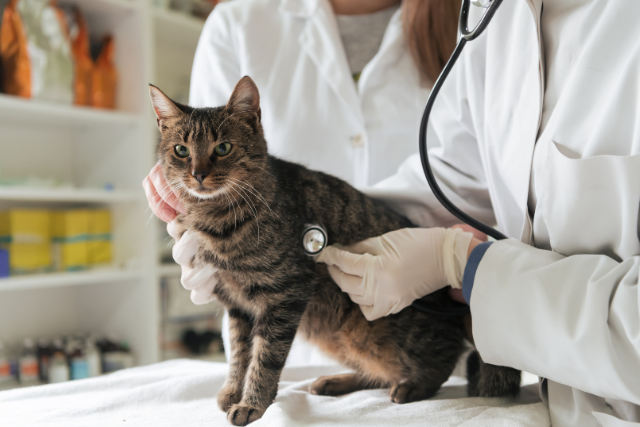
The top issue facing pets and the people who love them is access to veterinary care. This month, Ottawa will be heading to the ballot boxes to elect City Council and the Mayor. This is your chance to make sure animal welfare is top of mind for Ottawa’s elected officials. Municipal leaders play an important role in setting the City’s priorities — key in helping to build a more humane and compassionate community.
The project depends on the support of Ottawa’s caring community and it is an essential service worth investing in to strengthen Ottawa’s safety net for animals and build a more compassionate future for all.
As the election approaches, ask your candidates how they will make essential care more accessible for pets and their people in the community. Ask your candidates if they will support and help champion accessible veterinary care as an important community resource for Ottawa families who otherwise could not access veterinary care for their pet.
Marineland: A Cautionary Tale for Protecting Animals from Captivity
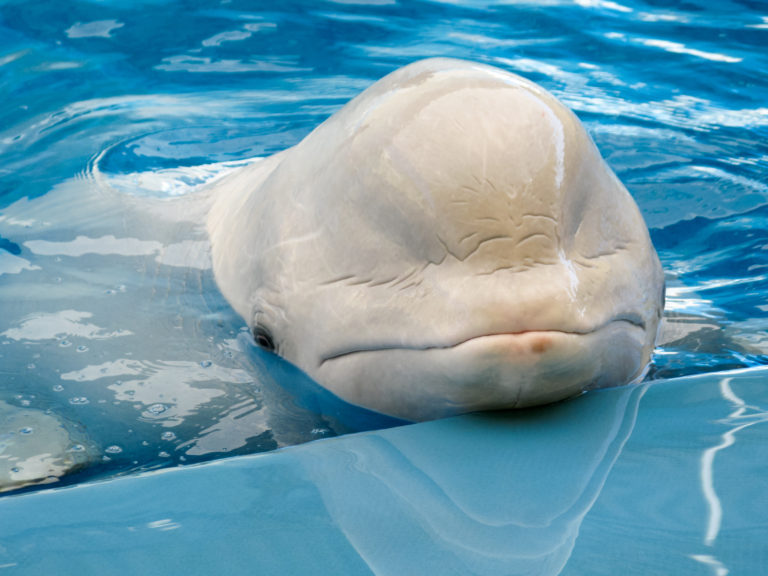
In September, the final beluga whales were removed from Marineland. The operation began earlier in the summer — an effort to transfer 30 belugas and 4 dolphins to aquariums in the United States and Spain.
Four of the whales and one dolphin have died after the transfer. The animals held captive at Marineland deserved better. Decisions around the future of the animals were made under a crunch of time and resources, and the threat of euthanasia.
The keeping of whales and dolphins was banned in 2019, Marineland was among the aquariums grandfathered into the legislation. These animals will never again be held legally captive for profit in Canada. On paper, this is a milestone worth celebrating; however, the road it took to get here raises important questions as Ottawa, Ontario, and Canada as a whole continue advancing protections for the animals. It’s a cautionary tale worth remembering as new legislation advances to protect animals from captivity.
Ontario is still the only province without legislation to govern roadside zoos, leaving it to municipalities to regulate the keeping of exotic animals. The result is a patchwork of legislation where animals easily fall through the cracks and new roadside zoos emerge regularly.
Ontario is overdue to pursue provincial legislation to regulate and prevent the keeping of exotic animals, especially for the purpose of entertainment and profit. Learning from closing the chapter on Marineland, effective future protections for the animals must consider what life after captivity looks like for the animals.
Otherwise, Ontario will only be navigating another Marineland.
New Support for Shy and Fearful Cats at the OHS
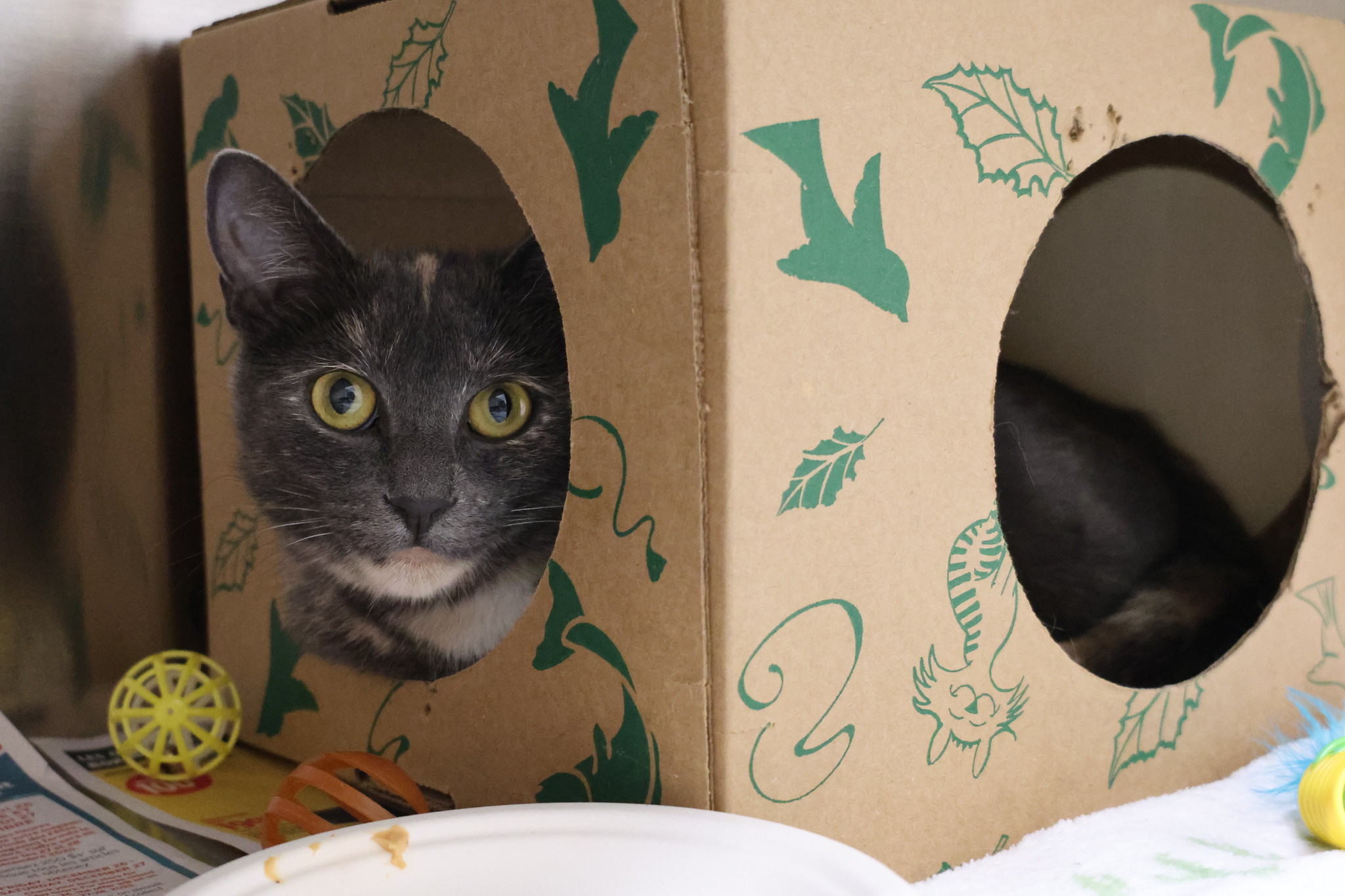
Arrival and living at the shelter can cause a cat significant distress, with loud sounds, busy movement and strange smells that can overwhelm animals that thrive on quiet and routine — creating stress that renders these vulnerable creatures more susceptible to illness. To make more second chances possible, the OHS recently piloted a new support program for shy and fearful cats in the shelter’s care who aren’t yet candidates to benefit from foster placement.
The OHS collaborated with cat experts and advocates to pilot a new Cat Decompression Program, setting up a low-stress environment with more enrichment opportunities, additional room to hide and climb, lower lighting, soundproofing, and care and enrichment from a consistent group of volunteers and staff.
The OHS has already put the new space into action, working with several cats in the program.
Breezy is one of the shy and fearful cats finding the support they need through the OHS’s pilot program. She was found lost and alone outside. At the shelter, she hid in her kennel and refused treats — her stress increasing her risk of becoming ill and compromising her potential for a happy outcome. After a week in the Cat Decompression Program, she was more relaxed and started coming to the front of the kennel looking for attention. Breezy’s progress safeguards her well-being and helps her move more quickly to adoption.
This enhanced care is only possible thanks to the support of animal advocates and Ottawa’s caring community.
When Emergency Strikes, Animal Advocates Stand Up
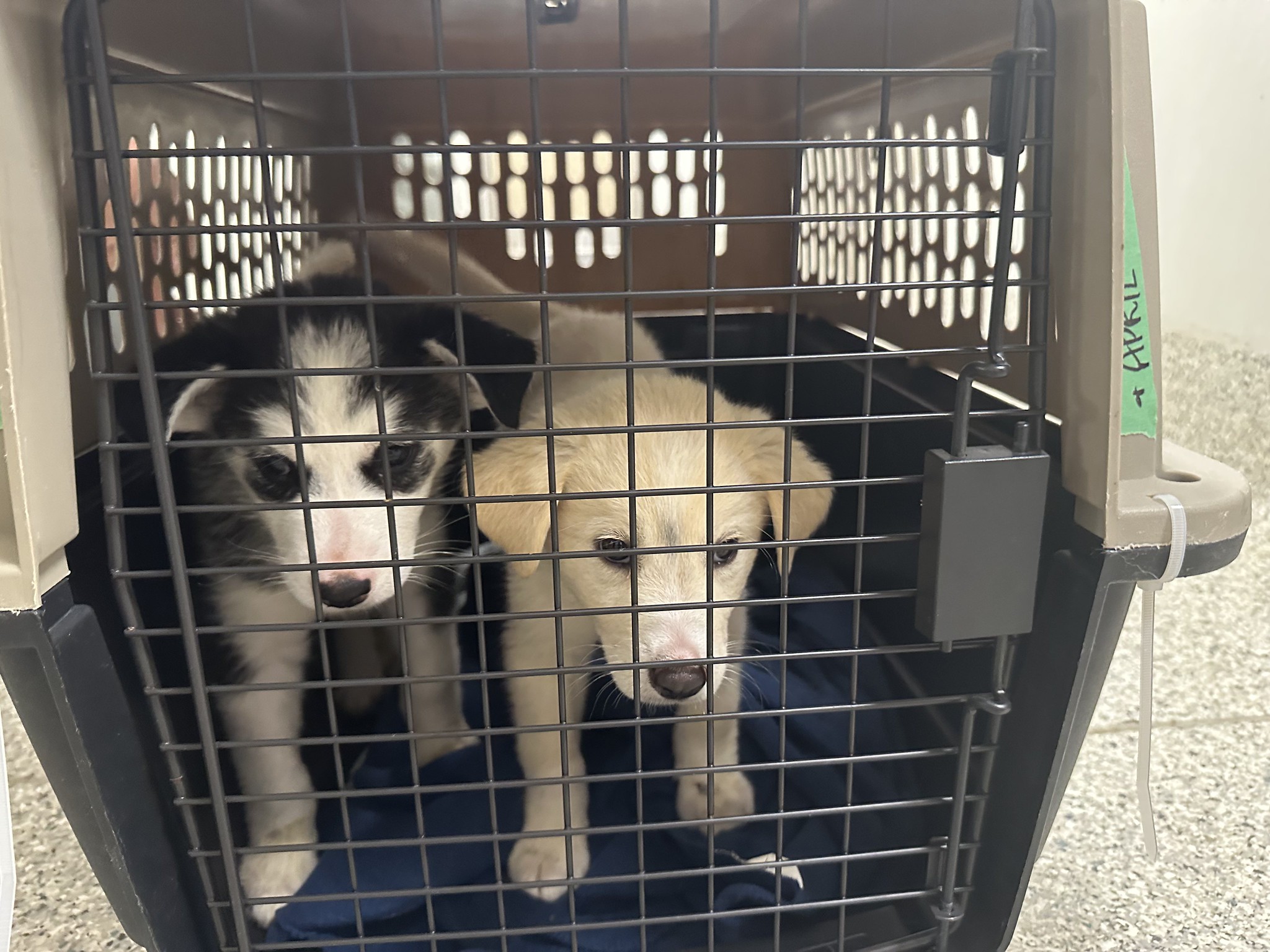
This summer, the Ottawa Humane Society, working with its partners at Northern Reach Network, transferred two cats and three dogs from communities at risk of being displaced by the wildfires in northwestern Ontario.
Moving these pets was an effort to increase capacity at the local shelters and rescues in the northwestern communities. Doing so meant those shelters and rescues had more space for pets who were separated from their families — making it possible to reunite the pets with their families once the crisis has passed.
While the number transferred was small, the communication efforts between the OHS and partners was significant — making sure the right actions were taken at the right time to best protect all animals involved.
When Hurricane Katrina struck 21 years ago, there was a rush to run in and scoop up pets. While well-intentioned, the result was animals who were rescued but never made it back to the families who loved them. In the past two decades, the humane movement has made a lot of progress in working together, making decisions about how animals should be removed from danger, and identifying animals to get them back to their people.
All the animals transferred from northwestern Ontario have found their forever home. With your support, there is a safety net for animals in need.